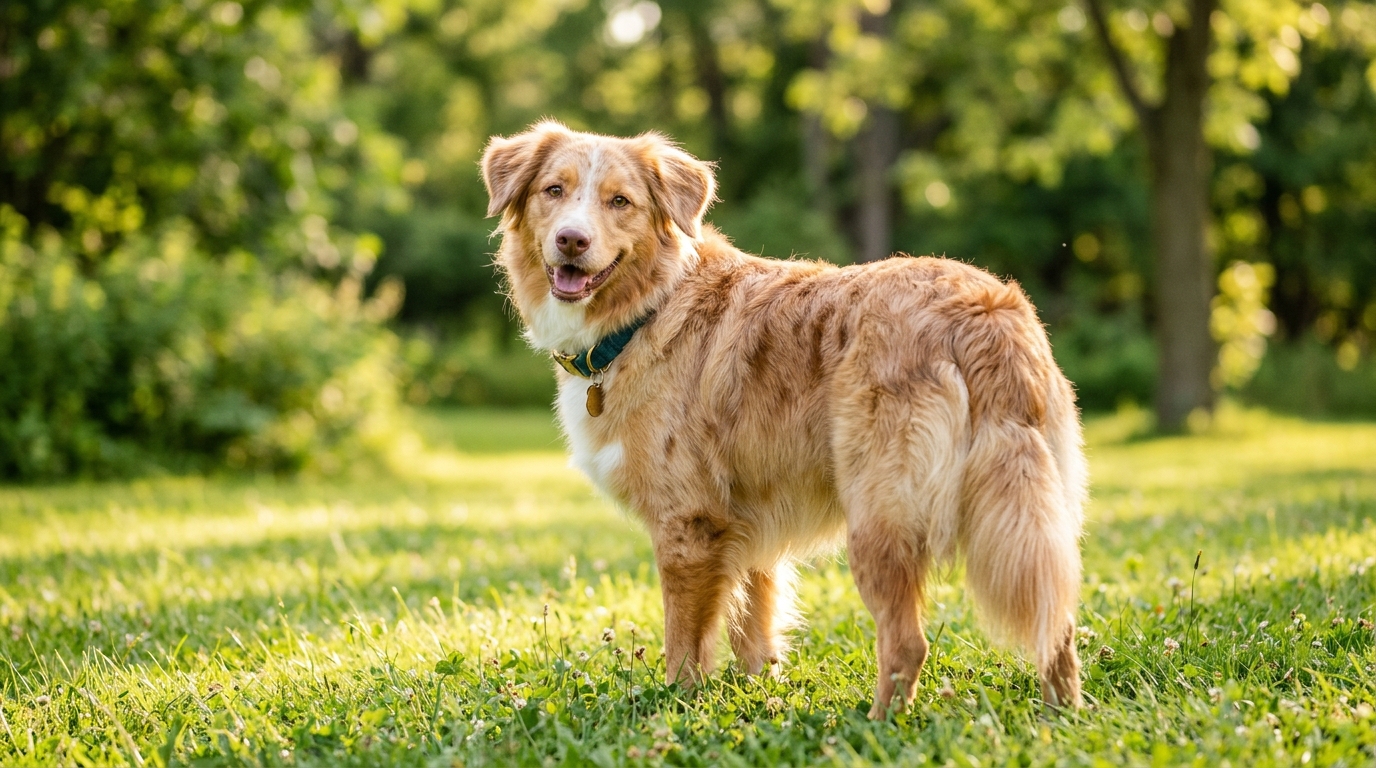
Can you change a dog’s name? Yes, absolutely. Dogs learn names through repetition and positive reinforcement, meaning a new moniker can be successfully taught at any age.
Want names now? Try our Rescue Dog Name Generator or the AI Dog Name Generator, or jump straight to Dog Name Ideas for a Rename below.
This visual guide covers canine adaptability by age, how to avoid training confusion, the step-by-step transition roadmap, and updating the microchip registry.
Can You Change a Dog’s Name? The Short Answer
Yes. Most dogs can learn a new name, and many adjust within days to weeks. Your dog links the sound to attention and rewards, not to a fixed identity.
To a human, a name is self-identity and ego. To a dog, a name is simply a predictive audio cue—much like the front doorbell. When the doorbell rings, it doesn’t represent the dog; it means: “Stop what you’re doing and pay attention, because something exciting is happening.” Teaching a new name is simply changing the chime of that doorbell.
What Makes a Rename Easier vs. Slower
| Usually Easier & Faster | Usually Slower (Needs More Reps) |
|---|---|
| Young dog or puppy ✓ High Neuroplasticity | Dog with old name for years ⚠️ Deeply Ingrained Habit |
| Old name used only a short time ✓ Minimal Auditory Trace | Dog answering old name 100% of time ⚠️ Strong Associative Bond |
| Outgoing, food-motivated dog ✓ Fast Dopamine Response | Shy or anxious rescue dog ⏳ Needs Decompression First |
| Short, distinct two-syllable name ✓ Crisp Trochaic Cadence | New name that clashes with cues ⚠️ High Risk of Confusion |
These are general patterns, not guarantees. Every dog progresses at their own comfortable pace.
Will Changing a Dog’s Name Confuse It?
Briefly, maybe. Some mix-ups are normal at first and usually fade quickly with consistent repetition.
Your dog may glance at you when you use the old name. That is completely normal. Your dog is still linking that familiar frequency to a potential reward.
📊 Typical Name Transition Progress by Day
Average canine response accuracy during structured 2-minute daily renaming sessions:
Use only the new name during practice. Mixing old and new names in one session slows learning. Keep sessions short, upbeat, and always end on a positive win.
Our scientific deep-dive on how dogs learn their names breaks down canine auditory frequency comprehension and vocal tone inflections.
Rename Best Practices: What to Do & Avoid
✨ What to Do
- Say it once, brightly: Use an upbeat, happy vocal pitch that commands positive attention.
- Reward within 1 second: Give a pea-sized high-value treat the exact moment they look up.
- Practice in 2-minute bursts: Do 4 to 6 micro-sessions daily instead of one long training drill.
- Get everyone on board: Ensure all family members and roommates use the exact same new moniker.
✕ What to Avoid
- Never use the new name when scolding: Saying “No, [NewName]!” poisons the cue with negative emotions.
- Don’t repeat the name like a broken record: Calling it 5 times in a row teaches your dog to ignore it.
- Avoid starting in chaotic dog parks: Master quiet indoor rooms before testing outdoor distractions.
- Don’t switch back and forth: Alternating between old and new names doubles transition time.
Can You Change a Dog’s Name After 1, 2, or 5 Years?
Yes. A dog can learn a new name after 1, 2, 5, or more years, though a long-held name may take more repetition and patience.
| Time with Old Name | What to Expect | Recommended Strategy |
|---|---|---|
| 1 Year Easy Transition | The old name is familiar but not deeply ingrained. Expect smooth adoption with minimal initial hesitation. | Direct Switch: Reward every eye-lock look for 4–5 days. |
| 2 Years Moderate Habit | Habit pathways are established. The dog may occasionally look for the old sound if distracted. | Micro-Sessions: 5 short daily drills using high-value freeze-dried treats. |
| 3 Years Established Cue | The old name is deeply habitual. Consistency across all household members is essential. | Strict Single Moniker: Zero usage of the old name at home. |
| 4 Years Deeply Fixed | Strong neural connection to the sound. Transition requires deliberate, sustained positive reinforcement. | Sound-Alike Swap: Pick a new name that shares the primary vowel. |
| 5+ Years Lifetime Reflex | Entirely possible, but typically slower. Weigh whether a full legal rename is necessary. | The Bridge Method: Use dual-cues or adopt an affectionate nickname. |
Every dog differs, so there is no rigid timeline. Focus on consistency over speed.
The “Bridge Method” for Older Dogs
For dogs that have had their name for 3+ years, the smooth sound-bridge technique eliminates confusion:
Say “OldName-NewName” in one breath with zero pause (e.g. “Buddy-Teddy!”). Immediately mark and reward eye contact.
Whisper the old name and emphasize the new name loudly (e.g. “^(buddy)… TEDDY!”). Reward with enthusiastic praise.
Drop the old sound completely. Call only “TEDDY!” across rooms and yards, celebrating crisp recall with top treats.
Can Older Dogs Learn a New Name?
Yes, older dogs can learn a new name with patience. Canine brains maintain neuroplasticity throughout their senior years. Use soft, aromatic treats like cooked chicken or freeze-dried liver. Keep sessions short to avoid fatigue. If the change is not essential, adding an affectionate nickname can often be easier than a full switch.
When Should You Change a Dog’s Name?
Change it when the name causes a training problem, carries trauma, or you truly dislike it. Keep it when your dog already responds happily.
Some rescue dogs flinch, drop their tail, or cower when hearing their old name if it was used during punishment or neglect. A brand-new name offers a fresh emotional slate paired exclusively with love and safety.
Names like Kit (/ɪt/ rhyming with Sit) or Bo (/oʊ/ vowel matching No) create genuine confusion in obedience training. Renaming clears up signal interference immediately.
Shelters and rescues frequently assign quick batch names to stray intakes so kennel cards have an ID. The dog often doesn’t even know that label, giving you total freedom to choose a name you love.
If your adopted dog wags their tail, makes bright eye contact, and recalls reliably to their existing moniker, keeping it avoids unnecessary work. You can always introduce fun pet nicknames instead!
Command Collision Danger Matrix
Review this phonetic clash table before finalizing your new pick:
| Proposed Dog Name | Clashing Command | Acoustic Collision | Confusion Risk | Safe Alternatives |
|---|---|---|---|---|
| Kit / Britt / Mitt | Sit | Identical short /ɪt/ sound | ⚠️ High Risk | Kip, Jasper, Baxter |
| Beau / Bo / Moe | No / Go | Identical open /oʊ/ vowel | ⚠️ High Risk | Bodie, Bowie, Bruno |
| Ray / Fay / May | Stay | Identical /eɪ/ long-a glide | ⚠️ High Risk | Riley, Frankie, Murphy |
| Neil / Seal | Heel | Identical /iːl/ diphthong | ⚠️ High Risk | Nico, Dexter, Milo |
| Nova / Piper / Archie | None | Clean trochaic cadence | ✓ Verified Safe | Ideal Gold Standard |
Adopted a rescue dog? Read our comprehensive guide on changing a rescue dog’s name and explore our dedicated Rescue Dog Name Generator for trauma-free fresh-start ideas.
How to Change a Dog’s Name, Step by Step
Pick a new name, reward every response, and use it consistently. Most dogs catch on over days to weeks.
Use our guide on how to choose a dog name to check length, trochaic cadence, and everyday comfort.
Say it next to common cue words like sit, stay, no, down, and heel. Ensure the acoustic boundary is sharp.
Say the name once in an upbeat tone. The exact millisecond your pup turns their head, deliver a tiny piece of cheese or meat.
Ask everyone at home to use the exact same moniker. Ban old nicknames for the first two weeks to speed up learning.
Avoid mixing old and new names during practice. Mixed signals divide your dog’s auditory attention.
Start in a quiet living room, then move to the backyard, and finally proof reliable recall on outdoor neighborhood walks.
How do you change a dog’s name after adoption? The same steps apply. Give your dog 3 to 7 days to decompress in their new home before beginning formal renaming drills.
Dog Name Ideas for a Rename
Choose a short name with a clear sound. These 24 ideas are grouped by how easily they can be learned.
1. Easy-to-Learn Names (Crisp Trochaic Rhythm)
These have two distinct syllables and completely avoid common command sounds:
Friendly, open-vowel start, and effortless to call across a park.
Bright ‘oh-ah’ vowel pairing that cuts through ambient noise.
A soft, warm acoustic cadence that stands far apart from cues.
Familiar classic with a crisp ‘M’ start and bouncy ‘ee’ ending.
Light, upbeat, and quick to register in canine auditory cortex.
Firm two-beat structure with a crisp ‘J’ consonant kick.
High-energy pop with a cheerful rising inflection.
Smooth, affectionate vowel glide that dogs associate with warmth.
Want more like these? Browse all dog names ending in Y.
2. Sound-Alike Swaps (Fast Transition Pairs)
Choosing a new name that shares the same vowel sounds or rhythmic cadence as the original allows dogs to connect the two cues almost instantly:
Preserves the exact rhyming “-ella” ending sound.
Virtually identical acoustic vowel body; one soft consonant shift.
Perfect trochaic rhyme with identical two-beat cadence.
Matches identical rhythm, dental consonant, and upbeat ‘ee’ finish.
Only one initial labial sound apart; zero recall friction.
Retains the recognizable opening /luː/ syllable frequency.
Keeps the soft /seɪ/ start in a single punchy syllable.
Retains the familiar opening /tʃɑːr/ cadence with a fresh finish.
Prefer rare, memorable options? Explore our curated list of unique dog names.
3. Fresh-Start Names (New Beginnings)
These inspiring monikers celebrate a new life chapter and second chances:
The mythical bird rising from ashes; perfect for rescued pups.
A nimble woodland songbird; short, punchy, and quick to call.
A comforting warm glow with a distinct two-beat sound.
An evergreen plant representing resilience, strength, and life.
A mountain tree name featuring two crisp, clean syllables.
Short, sassy, and packed with bright, playful energy.
The iconic constellation; bold, noble, and distinctive in tone.
A steady, safe haven sound representing your loving home.
Find the Perfect New Name for Your Dog
Match trauma-free names by breed, personality archetype, acoustic rhythm, and fresh-start meaning in seconds.
Want names matched to your exact dog? Use the AI dog name generator or generate names from a photo. You can also browse boy dog names and girl dog names. Compare your picks with the most popular dog names or explore the full dog names directory. Read these dog naming tips before you decide. If you know the breed, try the breed name generators.
Can You Change a Dog’s Name on the Microchip?
Often yes. Contact the microchip registry to update the name and your contact details.
Check your adoption paperwork, veterinary records, or ask your vet to perform a quick handheld wand scan at your next visit.
In the United States, use the official AAHA Universal Pet Microchip Lookup to pinpoint which registry holds the microchip data.
Log into the online registry or call their support team. Some registries allow instant free updates; others may charge a small administrative transfer fee.
Notify your primary veterinarian, update city dog licensing records, and order an engraved metal collar ID tag with your new name and active phone numbers.
For more detail, see our guide on changing a rescue dog’s name.
FAQ: Changing a Dog’s Name
Yes, most dogs can have their names changed. These answers cover the most common questions.
Can you change a dog’s name?
Yes. Dogs link a name to attention and rewards, so a new name can be taught. Pick something short and distinct. Reward each response and keep using the same name at home. Most dogs adjust within days to weeks, though speed varies by dog.
Can you change a dog’s name after 1, 2, 3, 4, or 5 years?
Yes. Years with the old name matter less than consistency. A long-held name may take more repetition, so keep sessions short and upbeat. With a dog of five years or more, weigh the benefit first, and consider adding a nickname.
Will changing a dog’s name confuse it?
Briefly, perhaps. Expect some mix-ups in the first days as your dog connects the new sound to rewards. Using only the new name and rewarding every response usually clears this up. Avoid switching between names during the same session. Stay patient.
Can older dogs learn a new name?
Yes, though they may need more patience. Older dogs can still link a sound to a reward. Use small, tasty treats, practice in short sessions, and stay consistent. If the change is not essential, a nickname can be easier than a full switch.
Can you change a dog’s name on the microchip?
Often yes. Contact the microchip registry and ask to update the name and your contact details. Some registries allow online changes, others need a call, and fees may apply. Steps differ by registry and country. Keep your contact details current as well.
How do you change a dog’s name after adoption?
Use the same steps as for any dog: pick a short name, reward every response, and use it consistently. Give your dog time to settle first. For rescue-specific timing and advice, read our guide on changing a rescue dog’s name.
Find a New Name for Your Dog
The fastest way to find a name is the AI dog name generator, which matches names to your dog’s breed, coat color, gender, and personality, or our rescue dog name generator for fresh-start monikers.
Tap the heart on names you like, then say each one out loud before you pick. Next, read how dogs learn their names. Share this list on Pinterest or Facebook with a friend who is renaming their dog.